

Unified Magazine provides expert insights on business, technology, and innovation. We partner with leading entrepreneurs to provide strategic advice and market analysis, empowering professionals and entrepreneurs with resources for success and growth.
Subscribe to Updates
Get the latest creative news from FooBar about art, design and business.

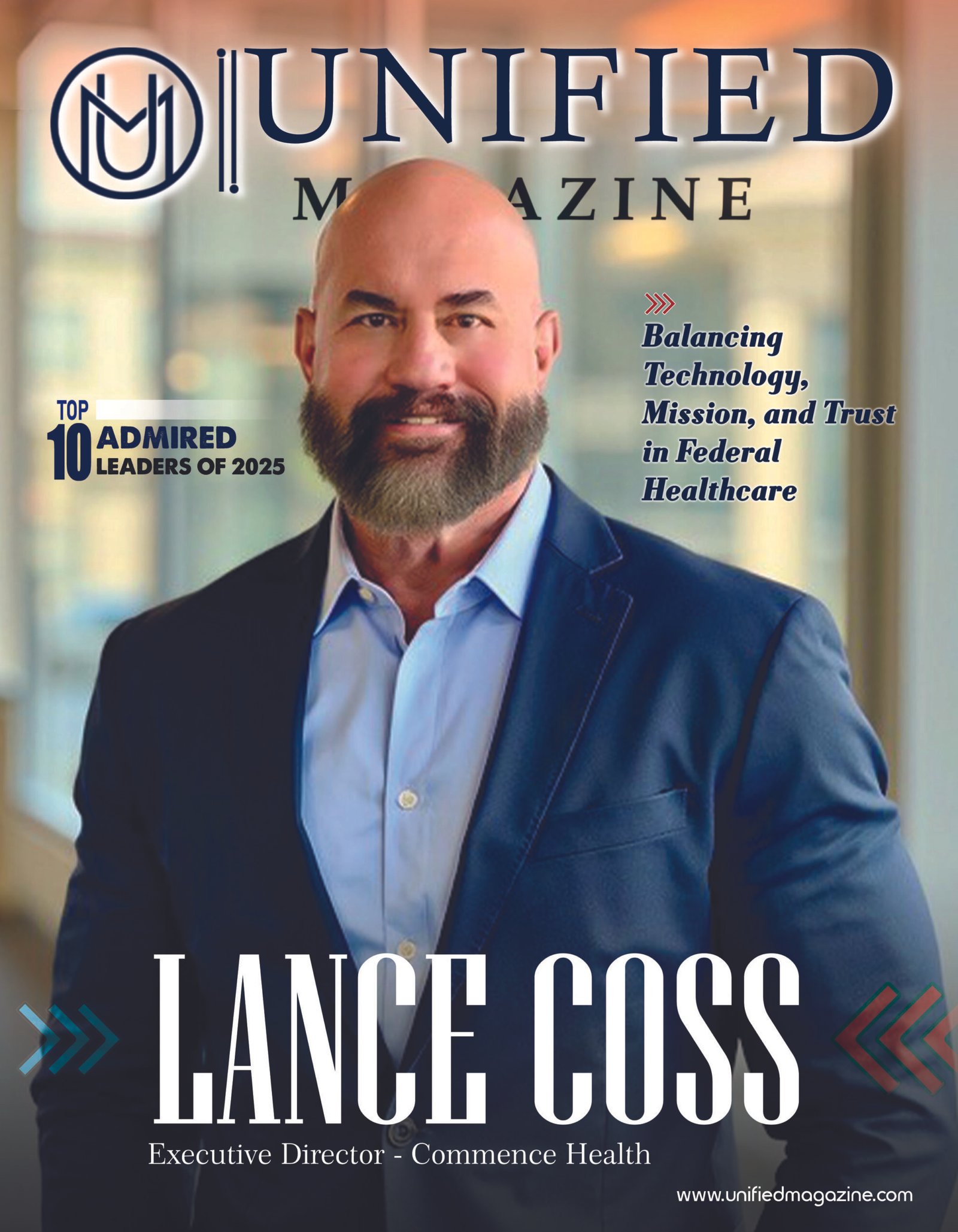
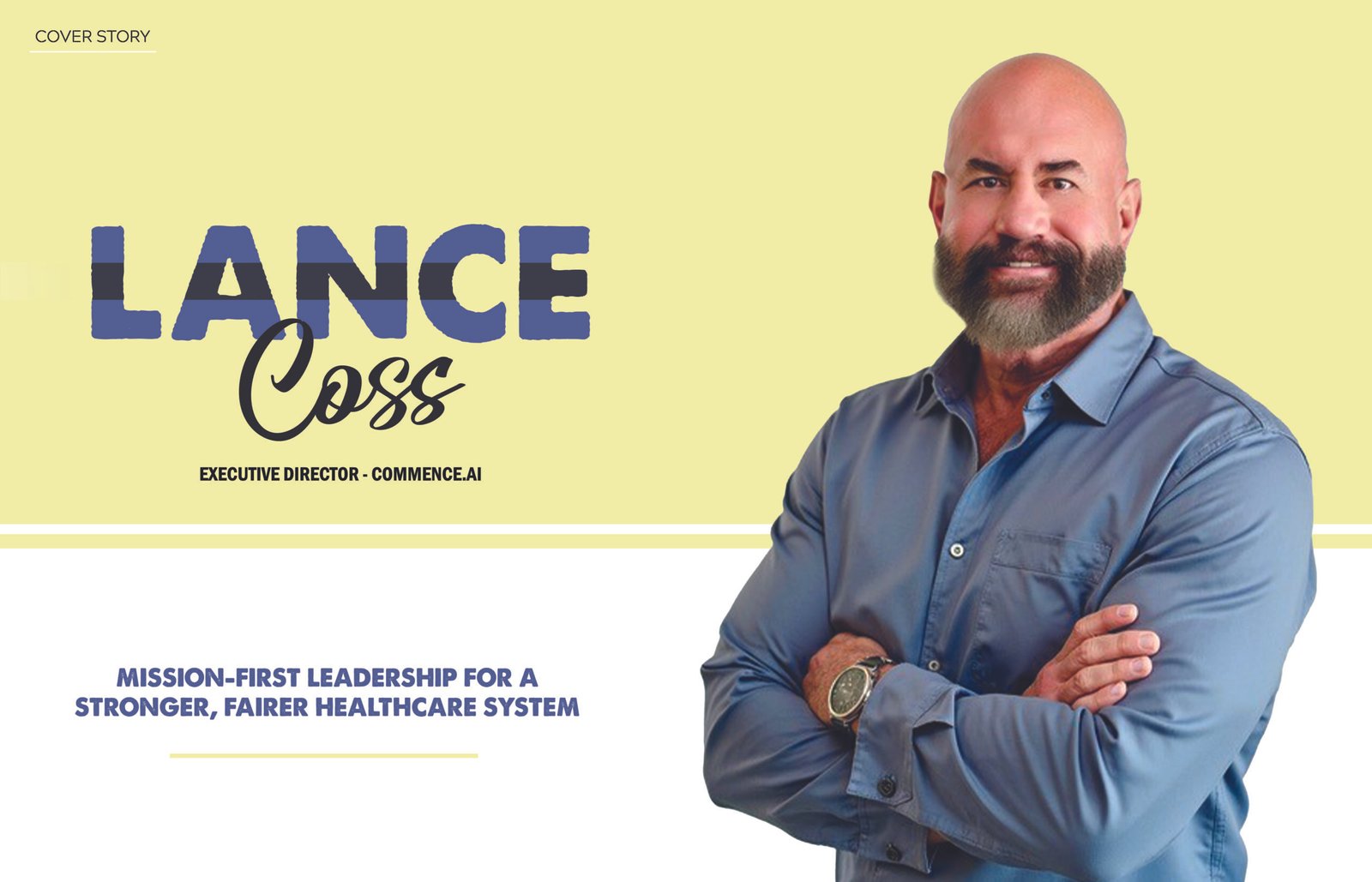
Lance Coss - Strengthening Medicare Through Responsible Innovation and Leadership
Executive Director at Commence Health
Commence Health is the BFCC-QIO for CMS Regions 2, 3, 5, 7 and 9—supporting Medicare beneficiaries with appeals, complaints, and advocacy across 27 states and territories. As a program of Commence (formerly Livanta), we’re here to help patients and families navigate care with clarity, compassion, and confidence.
Lance Coss's Exclusive
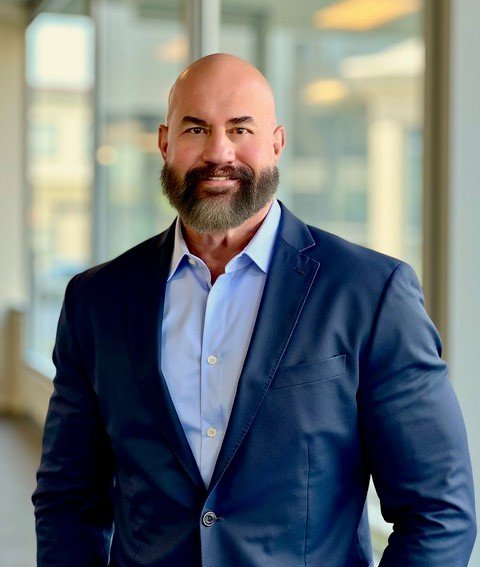
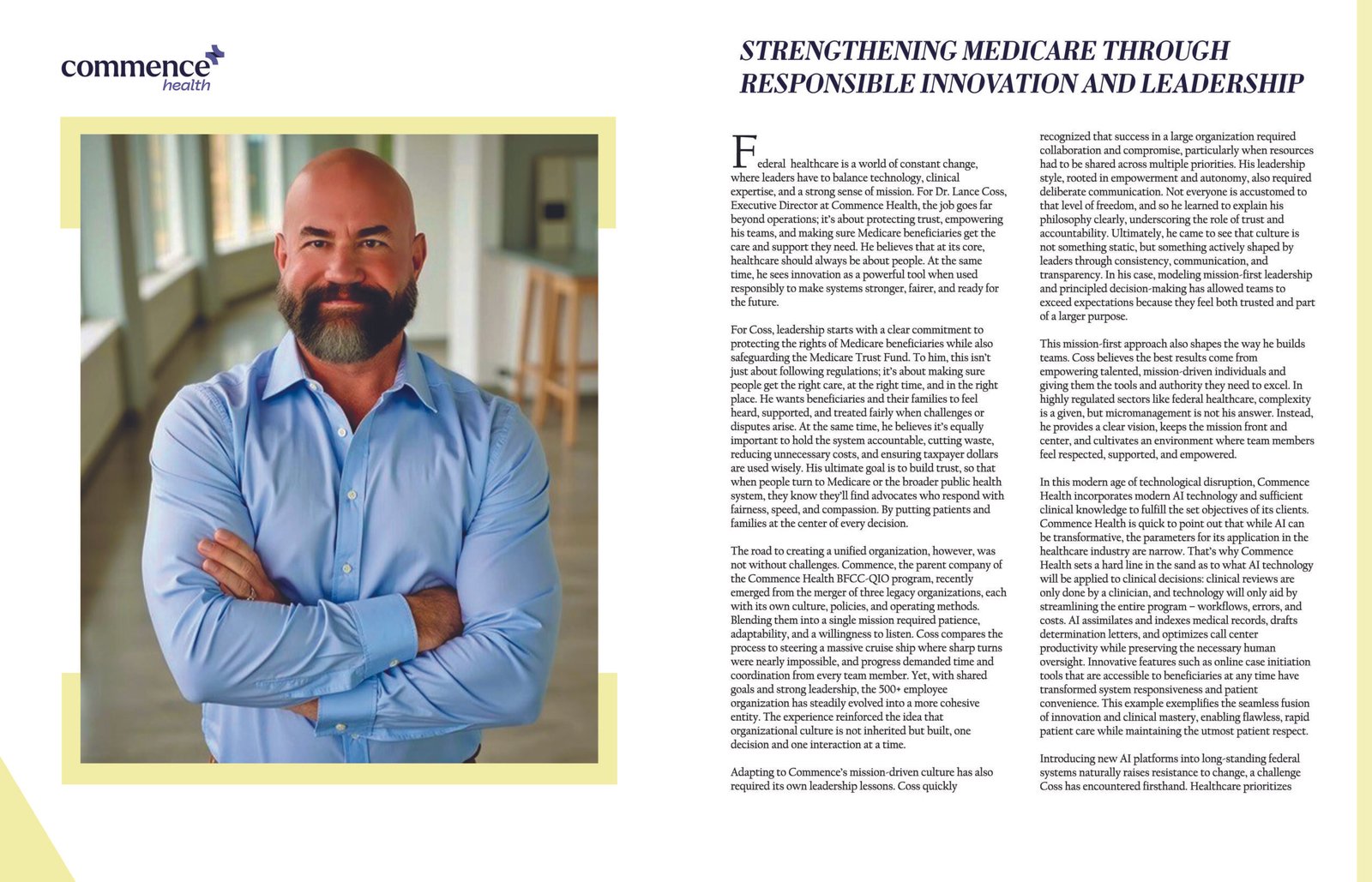
Federal healthcare is a world of constant change, where leaders have to balance technology, clinical expertise, and a strong sense of mission. For Dr. Lance Coss, Executive Director at Commence Health, the job goes far beyond operations; it’s about protecting trust, empowering his teams, and making sure Medicare beneficiaries get the care and support they need. He believes that at its core, healthcare should always be about people. At the same time, he sees innovation as a powerful tool when used responsibly to make systems stronger, fairer, and ready for the future.
For Coss, leadership starts with a clear commitment to protecting the rights of Medicare beneficiaries while also safeguarding the Medicare Trust Fund. To him, this isn’t just about following regulations; it’s about making sure people get the right care, at the right time, and in the right place. He wants beneficiaries and their families to feel heard, supported, and treated fairly when challenges or disputes arise. At the same time, he believes it’s equally important to hold the system accountable, cutting waste, reducing unnecessary costs, and ensuring taxpayer dollars are used wisely. His ultimate goal is to build trust, so that when people turn to Medicare or the broader public health system, they know they’ll find advocates who respond with fairness, speed, and compassion. By putting patients and families at the center of every decision.
The road to creating a unified organization, however, was not without challenges. Commence, the parent company of the Commence Health BFCC-QIO program, recently emerged from the merger of three legacy organizations, each with its own culture, policies, and operating methods. Blending them into a single mission required patience, adaptability, and a willingness to listen. Coss compares the process to steering a massive cruise ship where sharp turns were nearly impossible, and progress demanded time and coordination from every team member. Yet, with shared goals and strong leadership, the 500+ employee organization has steadily evolved into a more cohesive entity. The experience reinforced the idea that organizational culture is not inherited but built, one decision and one interaction at a time.
Adapting to Commence’s mission-driven culture has also required its own leadership lessons. Coss quickly recognized that success in a large organization required collaboration and compromise, particularly when resources had to be shared across multiple priorities. His leadership style, rooted in empowerment and autonomy, also required deliberate communication. Not everyone is accustomed to that level of freedom, and so he learned to explain his philosophy clearly, underscoring the role of trust and accountability. Ultimately, he came to see that culture is not something static, but something actively shaped by leaders through consistency, communication, and transparency. In his case, modeling mission-first leadership and principled decision-making has allowed teams to exceed expectations because they feel both trusted and part of a larger purpose.
This mission-first approach also shapes the way he builds teams. Coss believes the best results come from empowering talented, mission-driven individuals and giving them the tools and authority they need to excel. In highly regulated sectors like federal healthcare, complexity is a given, but micromanagement is not his answer. Instead, he provides a clear vision, keeps the mission front and center, and cultivates an environment where team members feel respected, supported, and empowered.
In this modern age of technological disruption, Commence Health incorporates modern AI technology and sufficient clinical knowledge to fulfill the set objectives of its clients. Commence Health is quick to point out that while AI can be transformative, the parameters for its application in the healthcare industry are narrow. That’s why Commence Health sets a hard line in the sand as to what AI technology will be applied to clinical decisions: clinical reviews are only done by a clinician, and technology will only aid by streamlining the entire program – workflows, errors, and costs. AI assimilates and indexes medical records, drafts determination letters, and optimizes call center productivity while preserving the necessary human oversight. Innovative features such as online case initiation tools that are accessible to beneficiaries at any time have transformed system responsiveness and patient convenience. This example exemplifies the seamless fusion of innovation and clinical mastery, enabling flawless, rapid patient care while maintaining the utmost patient respect.
Introducing new AI platforms into long-standing federal systems naturally raises resistance to change, a challenge Coss has encountered firsthand. Healthcare prioritizes Coss has encountered firsthand. Healthcare prioritizes patient privacy and safety, creating a cautious environment where errors are unacceptable. Yet he acknowledges that we are living through a pivotal moment where AI is rapidly becoming part of daily life. His leadership role, therefore, involves recognizing concerns, respecting safeguards, and demonstrating how AI can responsibly enhance the mission without replacing the human expertise at its core.
Central to Coss’s philosophy is the concept of “Greater Data for the Greater Good.” In his view, data should not simply capture what is happening but transform into insights that matter. For Medicare and public health programs, this means detecting risks earlier, tracking trends with precision, and deploying resources to where they are most needed. As a leader, Coss emphasizes the importance of making data accessible and actionable for teams, translating numbers into meaningful decisions that improve care, reduce costs, and foster trust in the system. For him, data is not about spreadsheets or dashboards, but about using evidence to ensure healthcare is delivered effectively, compassionately, and equitably.
Coaching teams to make data actionable while keeping empathy and trust at the forefront is another area where Coss invests his energy. Many of his staff are clinicians who naturally embody empathy, so his focus is on helping them connect data to real patient experiences. He encourages teams to view numbers not as abstract metrics but as narratives that reflect the journeys of beneficiaries. By reframing data as storytelling with impact, he ensures that empathy and dignity remain at the heart of their work.
Among the greatest innovation opportunities in healthcare, Coss points to the transformation of unstructured data. Vast amounts of critical information remain locked away in scanned documents, handwritten notes, and unstructured medical records. Harnessing this data with advanced technologies offers enormous potential to reduce costs, speed up decision- making, and uncover insights that improve patient protection and strengthen public health. For him, the real promise lies not only in efficiency but also in turning this burden into an asset, a source of intelligence that drives better care and builds resilience for the future of federal programs.
Fraud detection represents another area where technology and human judgment intersect. At Commence Health, governance frameworks ensure that automation enhances rather than replaces clinical oversight. Advanced analytics may identify anomalies, but every flagged case undergoes expert human validation to ensure fairness, accuracy, and compliance. Rigorous adherence to HIPAA, CMS protocols, and internal quality standards provides a strong backbone of accountability. In this way, technology amplifies human expertise, allowing fraud detection to be both swift and precise while safeguarding patients.
For Coss, leadership is defined by the “Empowerer” mindset, something he not only embraces but has written about extensively. Being an empowered leader means giving people the autonomy, resources, and support they need to thrive. It rejects micromanagement in favor of shared leadership, where power is multiplied by developing new leaders at every level. In practice, this translates into building confident, resilient teams aligned with the mission and capable of adapting to change. Especially in high-stakes work like federal healthcare, he views empowerment as a responsibility that ensures collective success.
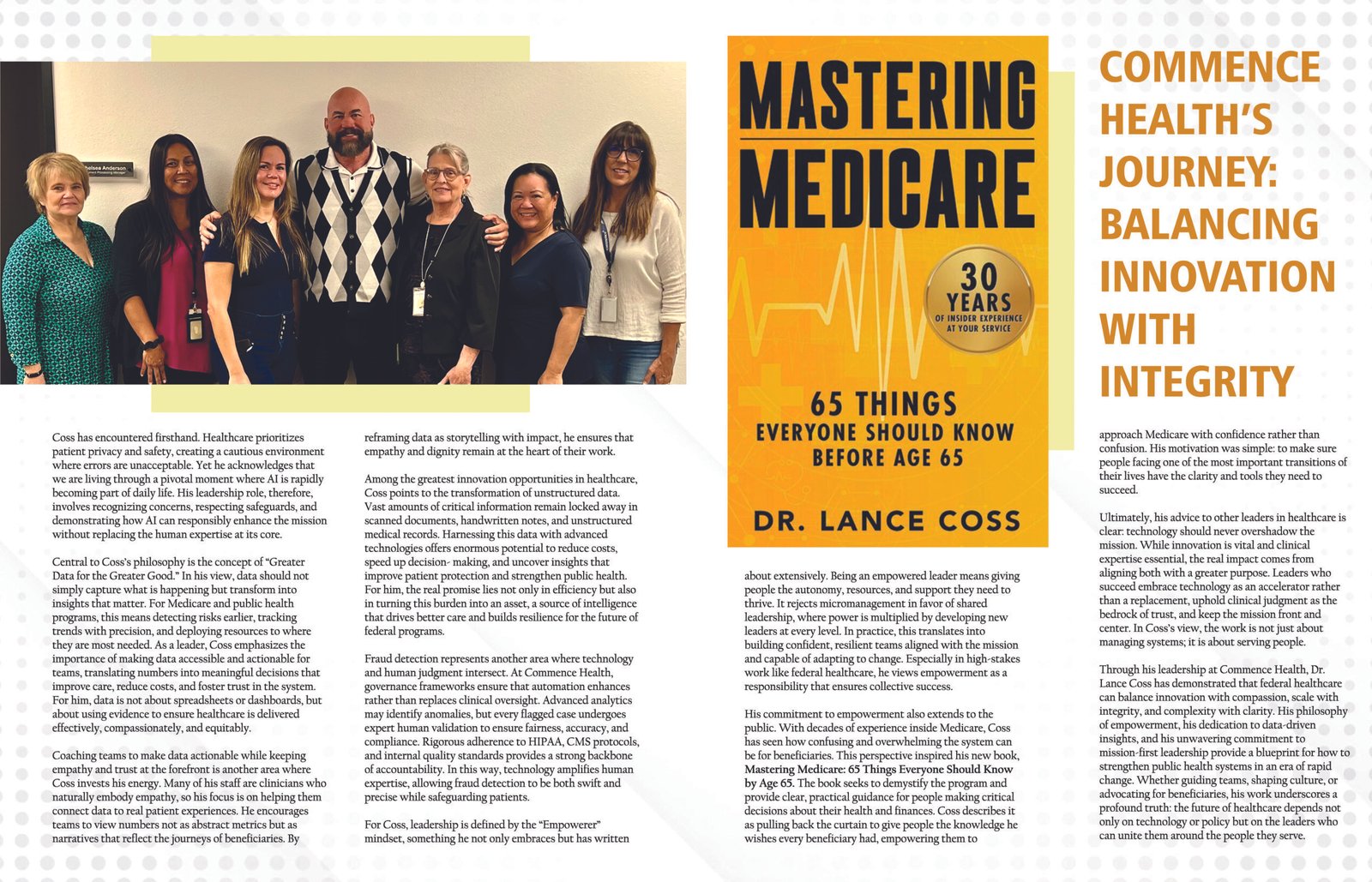
His commitment to empowerment also extends to the public. With decades of experience inside Medicare, Coss has seen how confusing and overwhelming the system can be for beneficiaries. This perspective inspired his new book, Mastering Medicare: 65 Things Everyone Should Know by Age 65. The book seeks to demystify the program and provide clear, practical guidance for people making critical decisions about their health and finances. Coss describes it as pulling back the curtain to give people the knowledge he wishes every beneficiary had, empowering them to approach Medicare with confidence rather than confusion. His motivation was simple: to make sure people facing one of the most important transitions of their lives have the clarity and tools they need to succeed.
Ultimately, his advice to other leaders in healthcare is clear: technology should never overshadow the mission. While innovation is vital and clinical expertise essential, the real impact comes from aligning both with a greater purpose. Leaders who succeed embrace technology as an accelerator rather than a replacement, uphold clinical judgment as the bedrock of trust, and keep the mission front and center. In Coss’s view, the work is not just about managing systems; it is about serving people.
Through his leadership at Commence Health, Dr. Lance Coss has demonstrated that federal healthcare can balance innovation with compassion, scale with integrity, and complexity with clarity. His philosophy of empowerment, his dedication to data-driven insights, and his unwavering commitment to mission-first leadership provide a blueprint for how to strengthen public health systems in an era of rapid change. Whether guiding teams, shaping culture, or advocating for beneficiaries, his work underscores a profound truth: the future of healthcare depends not only on technology or policy but on the leaders who can unite them around the people they serve.



Copyrights ©2026 Unified Magazine. All rights reserved