

Unified Magazine provides expert insights on business, technology, and innovation. We partner with leading entrepreneurs to provide strategic advice and market analysis, empowering professionals and entrepreneurs with resources for success and growth.
Subscribe to Updates
Get the latest creative news from FooBar about art, design and business.

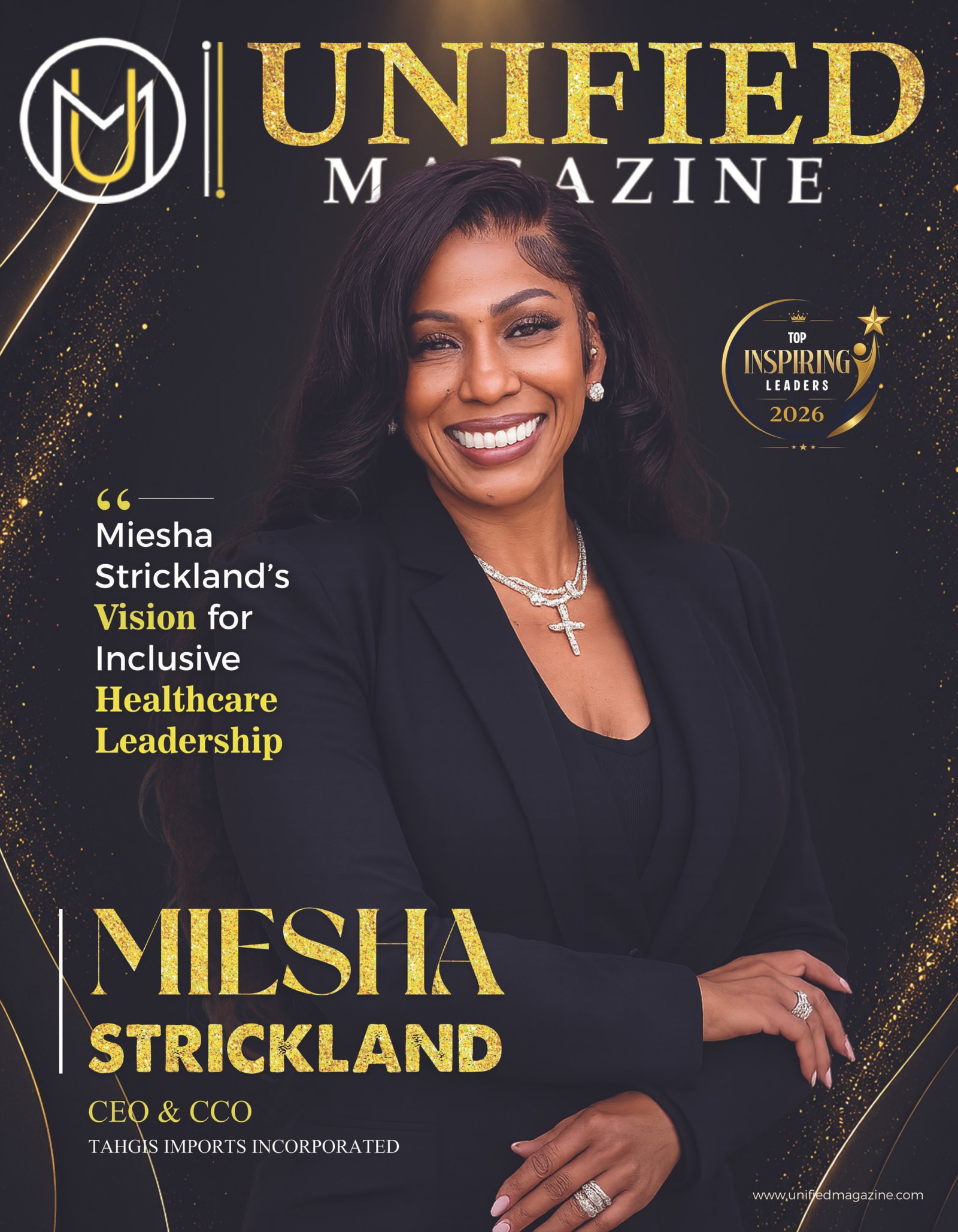
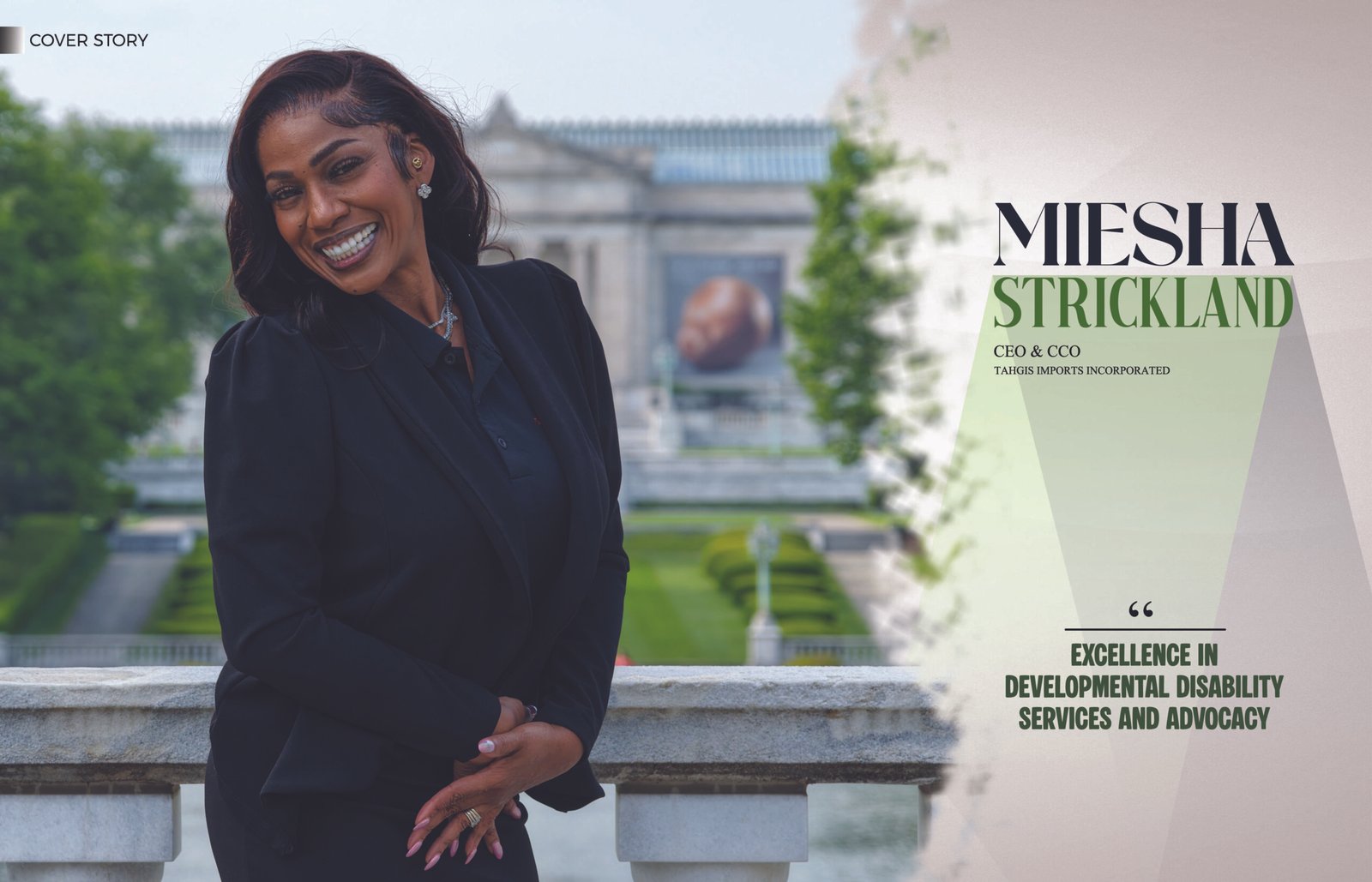
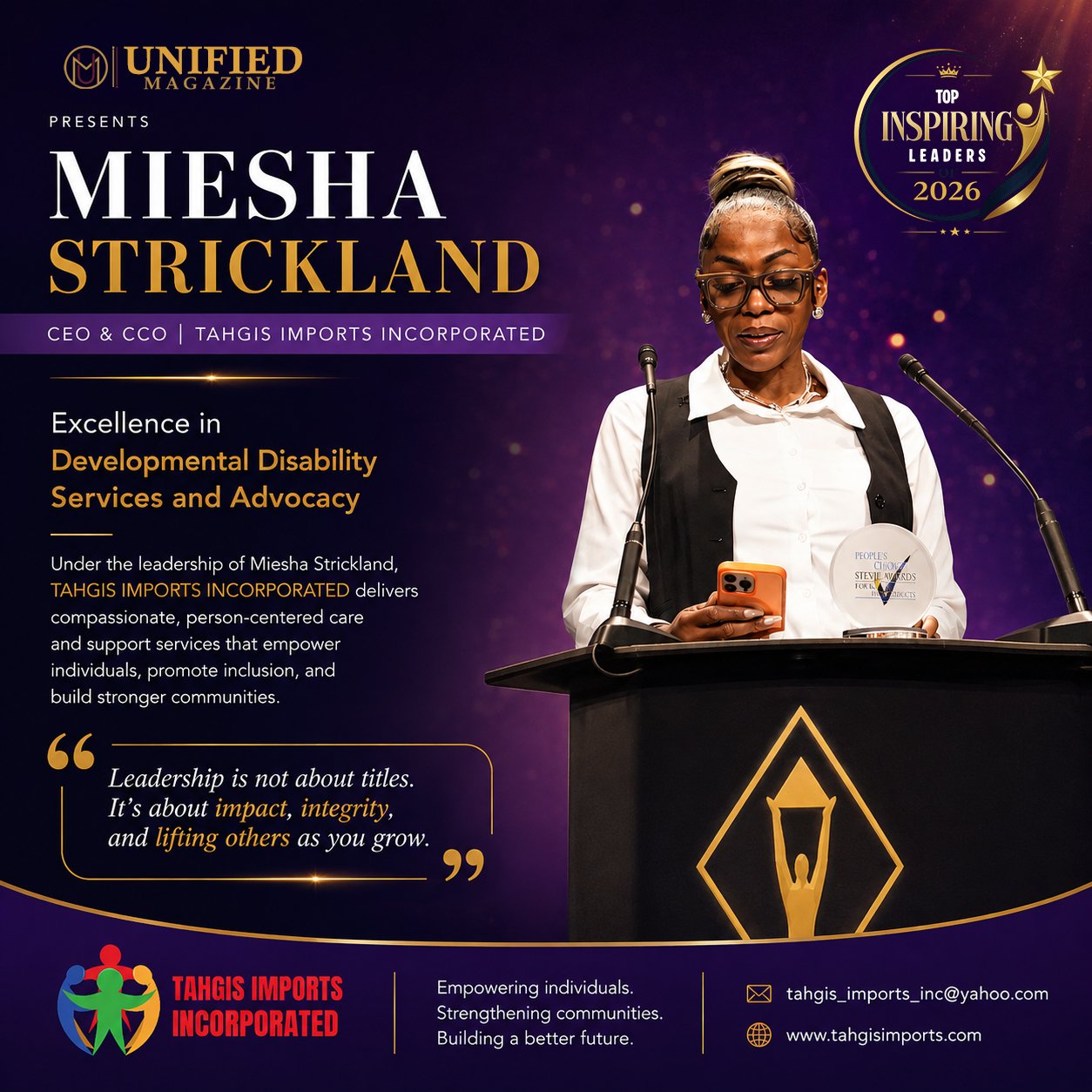
Miesha S. Strickland: Excellence in Developmental Disability Services and Advocacy
CEO & CCO of TAHGIS IMPORTS INCORPORATED
Taylor Economic Development Corporation is focused on fostering sustainable economic growth by attracting investment, supporting business expansion, and creating opportunities that strengthen the local economy. By leveraging Taylor’s strategic location, robust infrastructure, rail connectivity, and skilled workforce, the organization works to build a diverse and resilient business environment while preserving the community’s character and ensuring long-term prosperity for residents and businesses alike.
Miesha's Exclusive Interview
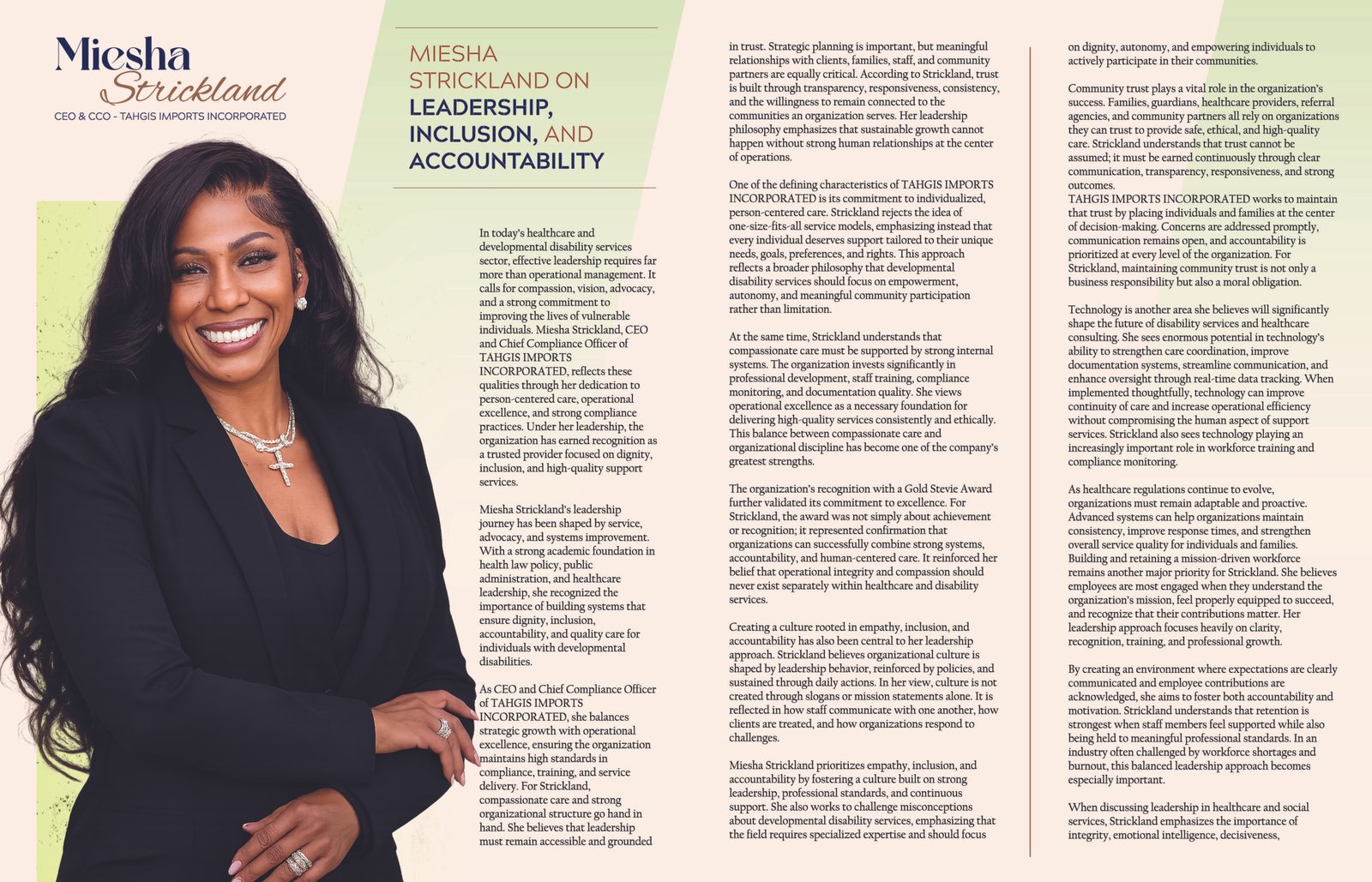
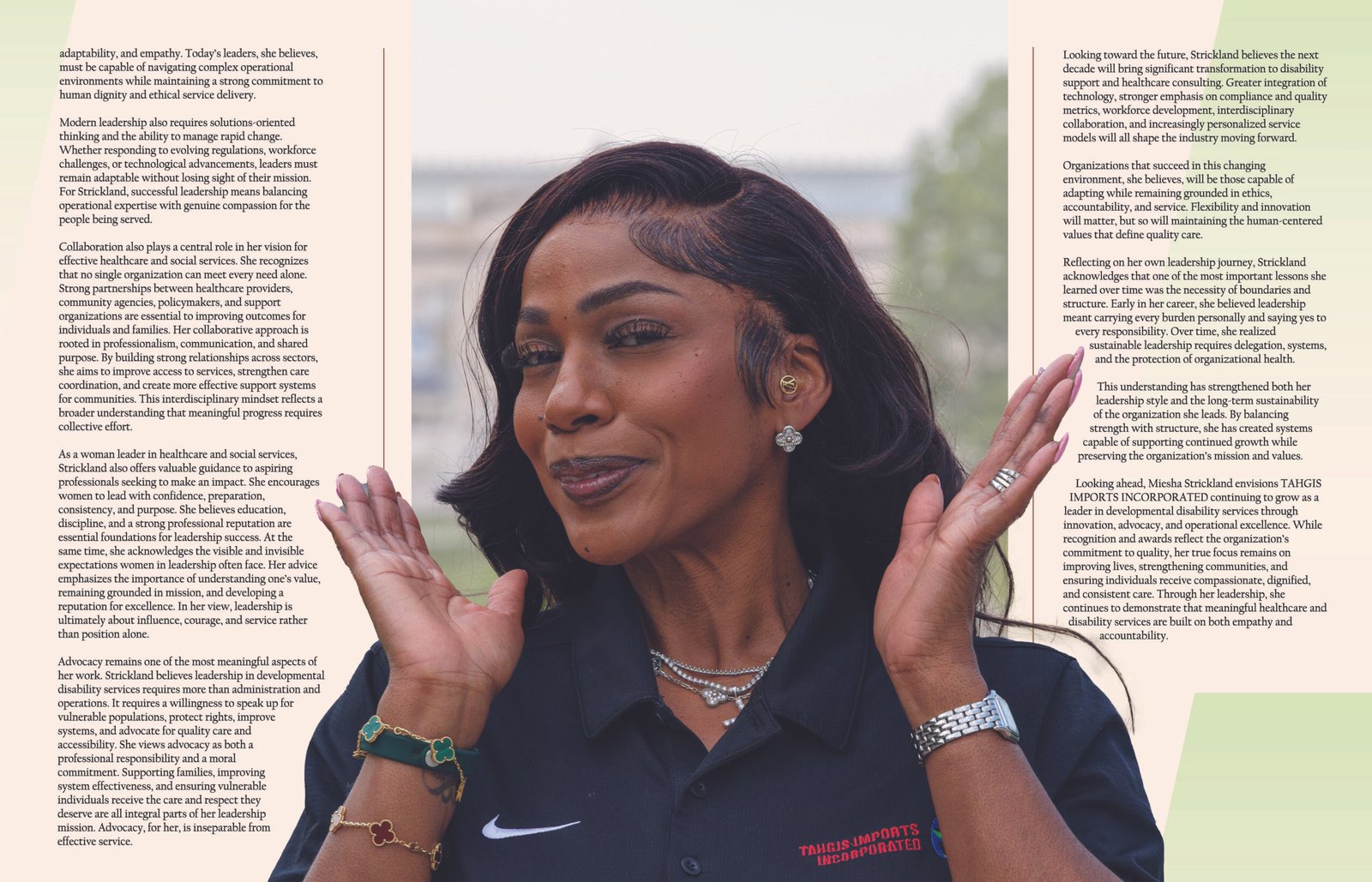
In today’s healthcare and developmental disability services sector, effective leadership requires far more than operational management. It calls for compassion, vision, advocacy, and a strong commitment to improving the lives of vulnerable individuals. Miesha Strickland, CEO and Chief Compliance Officer of TAHGIS IMPORTS INCORPORATED, reflects these qualities through her dedication to person-centered care, operational excellence, and strong compliance practices. Under her leadership, the organization has earned recognition as a trusted provider focused on dignity, inclusion, and high-quality support services.
Miesha Strickland’s leadership journey has been shaped by service, advocacy, and systems improvement. With a strong academic foundation in health law policy, public administration, and healthcare leadership, she recognized the importance of building systems that ensure dignity, inclusion, accountability, and quality care for individuals with developmental disabilities.
As CEO and Chief Compliance Officer of TAHGIS IMPORTS INCORPORATED, she balances strategic growth with operational excellence, ensuring the organization maintains high standards in compliance, training, and service delivery. For Strickland, compassionate care and strong organizational structure go hand in hand. She believes that leadership must remain accessible and grounded in trust. Strategic planning is important, but meaningful relationships with clients, families, staff, and community partners are equally critical. According to Strickland, trust is built through transparency, responsiveness, consistency, and the willingness to remain connected to the communities an organization serves. Her leadership philosophy emphasizes that sustainable growth cannot happen without strong human relationships at the center of operations.
One of the defining characteristics of TAHGIS IMPORTS INCORPORATED is its commitment to individualized, person-centered care. Strickland rejects the idea of one-size-fits-all service models, emphasizing instead that every individual deserves support tailored to their unique needs, goals, preferences, and rights. This approach reflects a broader philosophy that developmental disability services should focus on empowerment, autonomy, and meaningful community participation rather than limitation.
At the same time, Strickland understands that compassionate care must be supported by strong internal systems. The organization invests significantly in professional development, staff training, compliance monitoring, and documentation quality. She views operational excellence as a necessary foundation for delivering high-quality services consistently and ethically. This balance between compassionate care and organizational discipline has become one of the company’s greatest strengths.
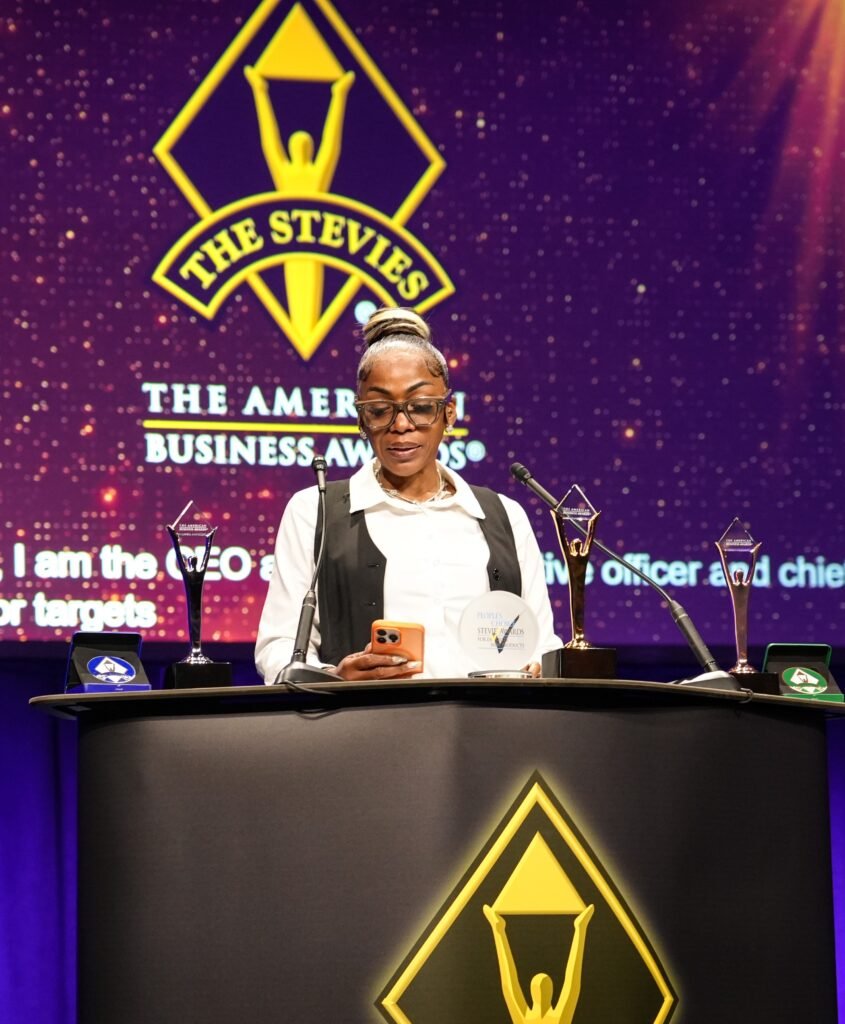
The organization’s recognition with a Gold Stevie Award further validated its commitment to excellence. For Strickland, the award was not simply about achievement or recognition; it represented confirmation that organizations can successfully combine strong systems, accountability, and human-centered care. It reinforced her belief that operational integrity and compassion should never exist separately within healthcare and disability services.
Creating a culture rooted in empathy, inclusion, and accountability has also been central to her leadership approach. Strickland believes organizational culture is shaped by leadership behavior, reinforced by policies, and sustained through daily actions. In her view, culture is not created through slogans or mission statements alone. It is reflected in how staff communicate with one another, how clients are treated, and how organizations respond to challenges.
Miesha Strickland prioritizes empathy, inclusion, and accountability by fostering a culture built on strong leadership, professional standards, and continuous support. She also works to challenge misconceptions about developmental disability services, emphasizing that the field requires specialized expertise and should focus on dignity, autonomy, and empowering individuals to actively participate in their communities.
Community trust plays a vital role in the organization’s success. Families, guardians, healthcare providers, referral agencies, and community partners all rely on organizations they can trust to provide safe, ethical, and high-quality care. Strickland understands that trust cannot be assumed; it must be earned continuously through clear communication, transparency, responsiveness, and strong outcomes.
TAHGIS IMPORTS INCORPORATED works to maintain that trust by placing individuals and families at the center of decision-making. Concerns are addressed promptly, communication remains open, and accountability is prioritized at every level of the organization. For Strickland, maintaining community trust is not only a business responsibility but also a moral obligation.
Technology is another area she believes will significantly shape the future of disability services and healthcare consulting. She sees enormous potential in technology’s ability to strengthen care coordination, improve documentation systems, streamline communication, and enhance oversight through real-time data tracking. When implemented thoughtfully, technology can improve continuity of care and increase operational efficiency without compromising the human aspect of support services. Strickland also sees technology playing an increasingly important role in workforce training and compliance monitoring.
As healthcare regulations continue to evolve, organizations must remain adaptable and proactive. Advanced systems can help organizations maintain consistency, improve response times, and strengthen overall service quality for individuals and families. Building and retaining a mission-driven workforce remains another major priority for Strickland. She believes employees are most engaged when they understand the organization’s mission, feel properly equipped to succeed, and recognize that their contributions matter. Her leadership approach focuses heavily on clarity, recognition, training, and professional growth.
By creating an environment where expectations are clearly communicated and employee contributions are acknowledged, she aims to foster both accountability and motivation. Strickland understands that retention is strongest when staff members feel supported while also being held to meaningful professional standards. In an industry often challenged by workforce shortages and burnout, this balanced leadership approach becomes especially important.
When discussing leadership in healthcare and social services, Strickland emphasizes the importance of integrity, emotional intelligence, decisiveness, adaptability, and empathy. Today’s leaders, she believes, must be capable of navigating complex operational environments while maintaining a strong commitment to human dignity and ethical service delivery.
Modern leadership also requires solutions-oriented thinking and the ability to manage rapid change. Whether responding to evolving regulations, workforce challenges, or technological advancements, leaders must remain adaptable without losing sight of their mission. For Strickland, successful leadership means balancing operational expertise with genuine compassion for the people being served.
Collaboration also plays a central role in her vision for effective healthcare and social services. She recognizes that no single organization can meet every need alone. Strong partnerships between healthcare providers, community agencies, policymakers, and support organizations are essential to improving outcomes for individuals and families. Her collaborative approach is rooted in professionalism, communication, and shared purpose. By building strong relationships across sectors, she aims to improve access to services, strengthen care coordination, and create more effective support systems for communities. This interdisciplinary mindset reflects a broader understanding that meaningful progress requires collective effort.
As a woman leader in healthcare and social services, Strickland also offers valuable guidance to aspiring professionals seeking to make an impact. She encourages women to lead with confidence, preparation, consistency, and purpose. She believes education, discipline, and a strong professional reputation are essential foundations for leadership success. At the same time, she acknowledges the visible and invisible expectations women in leadership often face. Her advice emphasizes the importance of understanding one’s value, remaining grounded in mission, and developing a reputation for excellence. In her view, leadership is ultimately about influence, courage, and service rather than position alone.
Advocacy remains one of the most meaningful aspects of her work. Strickland believes leadership in developmental disability services requires more than administration and operations. It requires a willingness to speak up for vulnerable populations, protect rights, improve systems, and advocate for quality care and accessibility. She views advocacy as both a professional responsibility and a moral commitment. Supporting families, improving system effectiveness, and ensuring vulnerable individuals receive the care and respect they deserve are all integral parts of her leadership mission. Advocacy, for her, is inseparable from effective service.
Looking toward the future, Strickland believes the next decade will bring significant transformation to disability support and healthcare consulting. Greater integration of technology, stronger emphasis on compliance and quality metrics, workforce development, interdisciplinary collaboration, and increasingly personalized service models will all shape the industry moving forward.
Organizations that succeed in this changing environment, she believes, will be those capable of adapting while remaining grounded in ethics, accountability, and service. Flexibility and innovation will matter, but so will maintaining the human-centered values that define quality care.
Reflecting on her own leadership journey, Strickland acknowledges that one of the most important lessons she learned over time was the necessity of boundaries and structure. Early in her career, she believed leadership meant carrying every burden personally and saying yes to every responsibility. Over time, she realized sustainable leadership requires delegation, systems, and the protection of organizational health.
This understanding has strengthened both her leadership style and the long-term sustainability of the organization she leads. By balancing strength with structure, she has created systems capable of supporting continued growth while preserving the organization’s mission and values.
Looking ahead, Miesha Strickland envisions TAHGIS IMPORTS INCORPORATED continuing to grow as a leader in developmental disability services through innovation, advocacy, and operational excellence. While recognition and awards reflect the organization’s commitment to quality, her true focus remains on improving lives, strengthening communities, and ensuring individuals receive compassionate, dignified, and consistent care. Through her leadership, she continues to demonstrate that meaningful healthcare and disability services are built on both empathy and accountability.
Copyrights ©2026 Unified Magazine. All rights reserved