


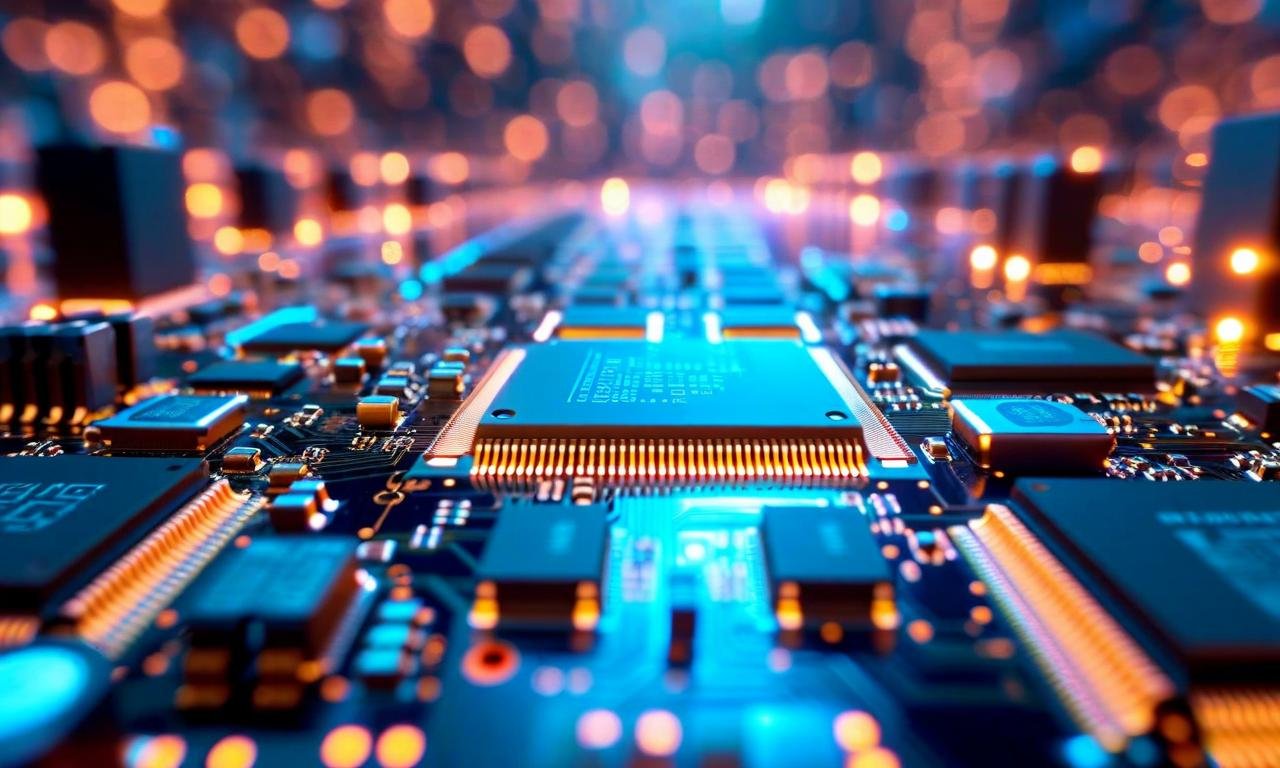
In a bold move that is sending ripples across the technology sector, Intel and Elon Musk have joined forces to co-develop the next generation of artificial intelligence chips. This unlikely yet powerful collaboration brings together Intel’s decades of semiconductor manufacturing expertise with Musk’s audacious vision for Terafab—a high-performance chip venture designed to power advanced AI systems, humanoid robots, and next-generation data centers. Industry watchers are calling this a defining moment in AI hardware development, one that could fundamentally reshape how the tech world approaches large-scale computing.
Terafab’s Ambition Meets Intel’s Engineering Muscle
At the heart of this alliance lies Terafab, Musk’s ambitious initiative aimed at pushing the boundaries of processing power. The project seeks to engineer chips capable of handling massive AI workloads far beyond the capabilities of current hardware. These next-generation processors are expected to drive a wide range of applications, from autonomous vehicles and robotics to large-scale AI analytics and beyond. By leveraging Intel’s renowned design and fabrication expertise, the collaboration aims to produce high-efficiency, scalable chips that can meet the soaring demands of tomorrow’s AI ecosystems.
A Strategic Revival for Intel in the AI Chip Race
For Intel, the partnership with Musk represents a critical opportunity to reclaim its leadership position in the fiercely competitive AI chip market. After years of lagging behind rivals such as Nvidia and AMD, Intel’s deep-rooted capabilities in microprocessor manufacturing now position it as a key enabler of Terafab’s ambitious goals. Analysts suggest that this collaboration could accelerate Intel’s innovation cycle and validate the company’s recent assertion that it has developed a chip capable of once again leading the industry.
Beyond technical gains, the alliance offers Intel a chance to reshape its public narrative—shifting from a legacy player playing catch-up to a visionary partner building the future of computing.
Musk’s Vision: Mass-Scale AI Production
Musk’s involvement brings a distinctly futuristic edge to the partnership. Known for his boundary-pushing ventures—Tesla, SpaceX, and xAI—he envisions Terafab as a massive fabrication hub capable of producing AI computation at an unprecedented scale. One of the industry’s most pressing challenges is meeting the explosive demand for AI hardware while maintaining cost-effectiveness and energy efficiency. Terafab’s production model aims to solve precisely this equation, potentially setting a new benchmark for how AI chips are manufactured and deployed globally.
Real-World Impact: From Data Centers to Humanoid Robots
The implications of the Intel–Musk collaboration extend far beyond the semiconductor industry. By merging Intel’s engineering pedigree with Musk’s futuristic ambition, Terafab could accelerate the adoption of AI across multiple sectors. Data centers may soon run complex AI models more efficiently, businesses could access previously cost-prohibitive AI tools, and humanoid robots might gain new levels of intelligence and responsiveness.
Even end-users of cloud and AI services stand to benefit indirectly. More powerful processors can reduce latency, improve performance, and enable increasingly sophisticated applications. The alliance may also set a precedent for future partnerships between established tech giants and visionary entrepreneurs—blending industrial know-how with disruptive creativity.
Why This Partnership Matters Now
This collaboration is far more than an incremental improvement in chip design. It signals a shared determination by Musk and Intel to reshape the AI hardware landscape. For Intel, it’s a chance to spotlight its cutting-edge AI microprocessor technologies. For Musk, Terafab serves as a platform to build the foundational computing infrastructure needed for his most ambitious projects—from autonomous systems to artificial general intelligence.
More broadly, the partnership underscores the growing strategic importance of AI chips over the coming decade. The companies that invest in high-performance AI hardware today will define the tools, platforms, and intelligent systems of tomorrow. With Intel and Musk joining forces, the stage is set for faster, smarter, and more powerful AI capabilities that could influence virtually every industry reliant on advanced computing.
The Road Ahead: A New Chapter for AI Chips
As the Terafab initiative takes shape, the tech world will be watching closely. The fusion of Musk’s bold vision with Intel’s engineering depth may herald a new era in AI chip development—one that could redefine how artificial intelligence is built, deployed, and scaled. From powering the data centers of the future to giving life to humanoid robots, this collaboration is poised to leave a lasting mark on the trajectory of modern computing.
